The North Face ThermoBall Eco Review: Warmth, Fit, Packability and Features
Cold weather days call for a jacket that keeps you warm without slowing you down. You want comfort, but you also want freedom to move. That is where The North Face ThermoBall Eco comes in.
This insulated line blends warmth, light weight, and easy packing in one design. Many shoppers wonder if synthetic insulation can really feel like down. This review takes a closer look at how it performs.
The insulation stays warm even when it gets wet. The jacket also packs into its own pocket, so it fits easily in a bag. Customers report feeling warm in temperatures below freezing.
Whether you choose the men’s jacket, the women’s Insulator Parka, or the vest, you get a clear picture of what to expect. Let’s see if this eco-minded option earns a spot in your closet.
In a Nutshell
-
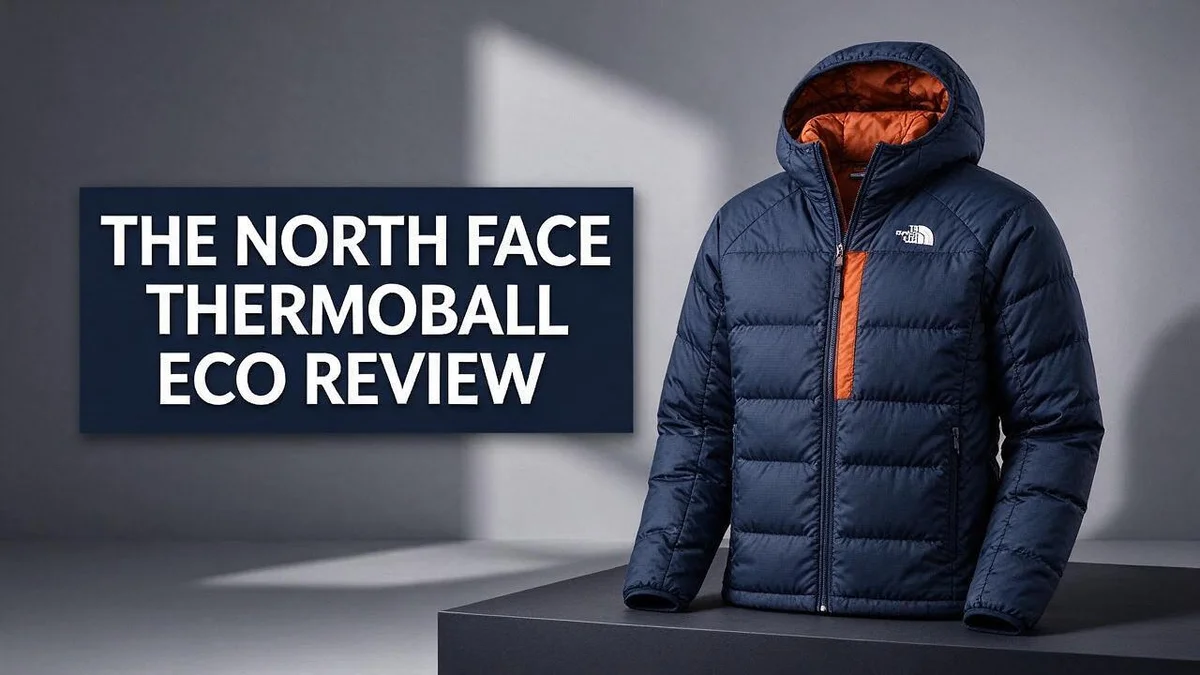
Men’s jacket: This model has a slim fit and 11 g/ft² ThermoBall Eco insulation. An internal secure zip chest pocket keeps small items safe while you move.
-
Women’s Insulator Parka: The shell uses 100% recycled polyester. An attached hood with elastic binding helps seal out cold air around your face.
-
Vest option: It packs into its own chest pocket, so it travels easily. Concealed secure zip hand pockets keep your hands protected on chilly walks.
-
Cold weather performance: Customers report feeling warm in very cold temperatures. Tight baffles help limit warmth leaking out of the jacket.
-
Construction trade-off: The insulation needs many baffles to stay in place. A 2019 review noted that this design choice adds detail to the build.
-
Main rival: Heatseeker Eco is the only named competitor in this comparison. Reviewing it side by side helps you judge which fit suits your needs.
Insulation and Warmth

- Best: 75%–100% Recycled or Sustainable Materials, Exploration Without Compromise, Non-PFC Durable Water-Repellent (Non-PFC DWR) Finish, Standard Fit, ThermoBall Synthetic Insulation

Last update on 2026-11-05 / Affiliate links / Images from Amazon Product Advertising API Some of the links on this website are affiliate links, which means that at no additional cost to you, I earn a commission if you click through and make a purchase. I only recommend products and services that I believe will add value to my readers. Thank you for your support!
Warmth matters most when the wind picks up. Good insulation should hold heat close to your body from start to finish.
Minimal warmth leakage is another strong point. Reviewers link this to tight baffles, which keep warm air from escaping through gaps. You may notice the difference on long walks or slow mornings outside.
Layering makes this line more flexible. Pair it with a thin base layer on mild days. Add more layers when the air turns sharp, and you stay comfortable without feeling bulky.
Your daily routine should guide your choice. Commuters may like a slim cut that fits neatly under a rain shell. Hikers who stop often may prefer a layer they can pack away quickly.
Fit also shapes how warm you feel. A jacket that sits too loose lets cold air flow in. A well-fitted piece keeps heat near your body. Try it on with the layers you plan to wear.
A fully closed zip helps seal in heat. Check that the front closure lines up well and sits flat against your chest. Small gaps near the neck can make a big difference on cold mornings.
Think about the climate where you spend most of your time. A jacket that feels perfect in a cool city may feel thin on an exposed ridge. Matching the insulation level to your local weather makes the biggest difference.
Reddit users often compare this line with Heatseeker Eco. Reading those threads can show you how people judge real cold weather. Look for comments from people who wear their gear in similar conditions.
Your own comfort is the final test. Some people run warm and need less insulation. Others feel cold quickly and prefer extra coverage. Trust how your body responds during your first few outings.
Choose warmth that suits your lifestyle. Consider how often you step outside, how long you stay out, and how cold it gets. The right balance keeps you cozy without slowing you down.
Fit and Design Details
Small design choices can make a big difference in daily wear. This line includes several features worth a closer look.
The men’s jacket features an exposed VISLON center front zip. Inside, you will find an internal chest pocket with a secure zip. This pocket keeps small items close and safe.
The Women’s Insulator Parka takes a different approach. Its attached hood includes elastic binding around the edge. The two way exposed VISLON zip lets you open the jacket from either end.
The vest offers its own clever details. Its 2.5×2.5 quilt pattern holds the insulation in a neat grid. Concealed secure zip hand pockets sit out of sight, so the front looks clean.
Pocket placement matters during a busy day. Chest pockets keep small items within reach, while hand pockets give your hands a place to rest.
Every zip and pocket adds a small benefit. Together, these features help each piece feel practical from morning to night.
The hoodie weighs 15.9 oz, according to a 2019 review. That weight gives you a clear sense of how it will feel on your shoulders during long days.
Check the zip path first. Open and close each zip before you decide. Smooth movement tells you a lot about daily comfort.
Look at how each piece fits your daily tasks. A jacket with easy access points makes it simpler to grab keys, a phone, or gloves.
Hood design also deserves attention. A hood that stays attached gives you one less piece to manage on windy days. Elastic binding can help the fabric settle around your face.
Quilt lines and baffles work together in the vest and the jackets. Each stitched section keeps the insulation from shifting, so you feel even coverage across the body.
Compare these details with your own routine before you buy. Ask yourself which zip, pocket, or hood will get the most use.
Packability and Portability
Packability decides whether you actually bring your layer along. A jacket that folds small rarely stays behind at home. Stuffing it into a bag takes only seconds, so it stays ready.
Portability matters just as much on busy days. Light gear eases the strain on your shoulders during long walks. Tossing it into a backpack adds very little bulk to your load.
Start with a simple fold. Lay the jacket flat and smooth out any wrinkles. Fold the sleeves inward, then roll it from the bottom up. This method keeps the packed shape neat and small.
Place it near the top of your bag. This spot gives you quick access when the weather shifts. Morning chill often turns into afternoon sun, so you can shed warmth in seconds.
Measure your bag first. Compare the rolled size with the open space in your daily carry. A compact roll fits beside a laptop, a lunch box, or a water bottle.
Think about flights and commutes. Overhead bins fill quickly, so a light layer earns its spot. Commuters can slide it into a tote without adding a heavy load, and it rarely catches on other items.
Try a packing test at home. Pack the jacket, leave it for a day, then unpack it. Check how easily it unfolds and how neat it looks. A smooth result means it will travel well.
Pair it with a smaller layer. A thin base layer keeps your bag light while still covering cold mornings. Together, the two pieces give you warmth without bulk.
Keep your packing habits simple. Use the same spot each time. You will always know where to find it, and your trip feels easier from the start.
Top 3 Alternatives
Looking for a warm jacket that packs small? These three options offer great insulation and easy travel. Each one works well for hiking, commuting, or chilly mornings.
Patagonia Nano Puff

- OMNI-HEAT: For versatile lightweight warmth in mild to severe cold. Our patented Heat Reflective garments are the ultimate body heat management system for outdoor performance. Reflects and retains body heat with breathable comfort, and enhanced warmth.
- OMNI-SHIELD: For light precipitation and everyday protection against stains, this garment repels rain, resists stains, and dries quickly.
Last update on 2026-06-08 / Affiliate links / Images from Amazon Product Advertising API Some of the links on this website are affiliate links, which means that at no additional cost to you, I earn a commission if you click through and make a purchase. I only recommend products and services that I believe will add value to my readers. Thank you for your support!
The Patagonia Nano Puff uses synthetic insulation that keeps you warm even when it gets damp. It feels light and packs into its own pocket. Many hikers choose it for active days in changing weather.
Arc’teryx Atom LT

- Performance Insulation for All Conditions - This men’s light jacket features resilient Coreloft Compact 60 insulation, engineered to retain warmth even in wet conditions—perfect for chilly forest hikes with windy summits, climbing at the crag, hanging at the campsite, or wet winter objectives.
- Casual Versatility for Every Adventure - Designed as a standalone or midlayer, this men’s insulated jacket with hood works year-round, making it a reliable pick as a men’s spring jacket, summer jacket, winter layer, or even as a year-round men’s travel jacket.
Last update on 2026-11-05 / Affiliate links / Images from Amazon Product Advertising API Some of the links on this website are affiliate links, which means that at no additional cost to you, I earn a commission if you click through and make a purchase. I only recommend products and services that I believe will add value to my readers. Thank you for your support!
The Arc’teryx Atom LT offers a slim, athletic fit. It also uses synthetic insulation that stays warm in wet conditions. The jacket stretches with your movements. Climbers and trail runners often wear it as a mid layer.
Uniqlo Ultra Light Down

- WARMING FEATURES: Features our Ultra Loft Faux Down insulation providing for extra warmth and to block out cold temperatures
- STYLISH FEATURES: The jacket features the Tommy Hilfiger signature flag on the left chest and the “Hilfiger” name on the back of the collar; Also features a front zipper closure, two side pockets with zipper closures, and an interior hidden zipper pocket
Last update on 2026-11-05 / Affiliate links / Images from Amazon Product Advertising API Some of the links on this website are affiliate links, which means that at no additional cost to you, I earn a commission if you click through and make a purchase. I only recommend products and services that I believe will add value to my readers. Thank you for your support!
The Uniqlo Ultra Light Down delivers warmth at a very light weight. It uses down insulation that traps heat well for its size. Its simple design pairs well with almost any outfit. City commuters love how easily it fits inside a bag.
Each option gives you a different balance of warmth, fit, and packability. Choose the one that matches how you plan to use it.
Fabric and Shell Materials
The shell is the outer layer that meets wind, rain, and cold air first. It shapes how the jacket feels on your body. It also helps the insulation do its job. Think of it as your first line of defense.
The Women’s Insulator Parka uses a 100% recycled polyester woven shell. Recycled fibers reduce the need for new raw materials. This choice also gives the parka a clean, practical look for daily use. A woven shell feels smooth and sits neatly over other layers.
The hood adds another layer of protection. The parka has an attached hood with elastic binding. The elastic pulls the hood close around your face. This small detail helps block cold air at the neckline.
The men’s jacket takes a different path. It uses ThermoBall Eco insulation at 11 g/ft². The insulation sits behind the outer shell, so the shell must block wind well.
Research does not list the exact shell fabric for the men’s jacket. Check the label before you decide. Look for fabric content and care details. Clear labels make comparisons easier.
Try a quick fabric test in the store. Hold a sleeve between your fingers and feel the surface. Does it feel soft, stiff, or slick? Then rub the fabric gently and listen for noise. A quiet fabric often suits quiet days.
Stretch the material lightly and watch how fast it springs back. Good recovery means the jacket moves with you. Freedom of movement helps on busy days.
Start with the shell, then check the insulation. Each part works together to keep you warm. A strong outer fabric protects the filling inside. Choose a shell that fits your weather and daily tasks.
Durability and Care
Good care keeps your ThermoBall jacket warm for many seasons. Small habits protect the insulation, the zips, and the fabric.
The insulation stays warm even when wet, which makes it easier to wear on damp days. Soaked fill still needs time to dry fully.
The construction works like down, so it relies on many baffles. These baffles hold the fill in place, so gentle handling matters.
Wash the jacket on a gentle cycle with cold water. Use a mild detergent and skip bleach.
Avoid fabric softener too. It can coat the fibers and reduce loft over time.
Zip the jacket closed before washing. This protects the teeth of the zip and keeps the shell from snagging.
For small stains, spot clean with a damp cloth. Spot cleaning often saves you from a full wash.
Dry it on low heat. Toss in two or three clean tennis balls with the jacket. The balls break up clumps and help the insulation fluff back up.
Air drying also works well. Lay the jacket flat, away from direct sun, until it feels completely dry inside.
Wet weather tests every layer. After a rainy day, let the jacket air out before storing it, so moisture does not sit in the fill.
Storage matters just as much as washing. Do not keep the jacket stuffed tightly for months at a time.
Hang it loosely in a closet or use a large cotton storage bag. Store it somewhere dry and cool, away from damp basements. This helps the insulation keep its shape.
The Women’s Insulator Parka has an elastic hood binding. Check this binding after many washes, and watch for loose or worn areas.
Regular checks catch small problems early. Look over seams, zips, and pockets each season. Fix loose threads quickly so they do not grow.
With simple care, your jacket stays ready for cold mornings and long trips.
Pros and Cons
Pros
– Customers report staying warm in sub-freezing temperatures.
– Tight baffles help keep warmth from leaking out.
– Secure zip pockets keep keys and cards safe on the move.
– The vest’s quilt pattern helps it hold its shape.
Cons
– The hoodie weighs 15.9 oz, which can feel heavy on mild days.
– Heatseeker Eco is the only named rival in our research, so comparisons stay limited.
– Fit details for the women’s line are limited in our research.
Who Should Buy It
This line suits people who face real winter cold. Many customers report feeling warm in freezing temperatures. That makes it a strong pick for daily walks in icy weather.
Layer lovers will also find a good fit. The vest works well over a sweater or hoodie. It keeps the core warm while your arms stay free.
Active people often prefer a vest. Hiking and brisk walks create heat fast. A vest keeps your arms free, so you can cool down fast.
Shoppers who care about the planet have a clear reason to look. The name ThermoBall Eco points to a focus on recycled materials. The women’s parka shows that goal in its build.
Buyers who want one coat for extreme cold should look elsewhere. Research does not show an expedition style. Compare other options before you decide. Extreme expeditions need heavier gear.
Gift shoppers have easy choices too. The vest and hoodie suit friends who like simple layers. Check the size chart before you order so the fit feels right.
Fans of light gear prefer pieces that do not feel bulky. This line keeps things light while still offering warmth.
Parents who spend long days outside need layers that move with them. The vest gives warmth without limiting arm movement.
Early risers and dog walkers face chilly mornings. A layer that feels warm from the first step saves time and effort.
Shoppers with very specific needs should ask questions first. Research on this line is limited, so a quick check with the seller can clear up doubts. Asking early saves time later.
Final tip: match the piece to your routine. Think about your climate, your activity level, and the layers you already own. A good match feels better than any trend. Read the specs, test the fit in person, and choose what feels right. Your daily life should guide the choice.
Final Verdict
The ThermoBall Eco line gives you warmth without heavy bulk. That balance is hard to find in one jacket.
Think of it as a reliable everyday partner. It handles cold commutes, weekend trails, and chilly evenings at home. Few pieces do all three well.
Some compromises matter too. The many baffles that hold insulation in place shape how the jacket looks and fits. Shoppers who want a sleek silhouette may notice that difference first.
Travel fans will appreciate the packability. A compact layer slips into a backpack without taking over the space. Keep it packed as a backup when the weather changes fast.
Layering works well with a light base layer on cold mornings. You can remove the extra layer when the sun warms the day. The lightweight build keeps these changes simple.
Before you decide, try the fit. The men’s jacket runs slim, so a thick layer underneath may feel tight. A relaxed layer underneath often works better for daily wear. Women’s sizing details are limited in our research, so check the official size chart before you buy.
Use this quick test. Ask yourself three questions. Will you wear it in wet weather? Do you need warmth without bulk? Will you use it often? If you answered yes to most, this jacket fits your needs.
Consider your next season too. A jacket should earn its place in your closet for years. Look for a piece that matches your activities, your climate, and your style. This model checks many of those boxes.
Overall, the ThermoBall Eco delivers solid performance. It works best for people who value dependable insulation in changing conditions. Your choice depends on your daily routine, so think about how you live first. Still unsure? Compare your typical week with the uses above. The answer usually becomes clear.
Frequently Asked Questions
Is ThermoBall Eco real down?
No, it is not real down. Research describes the insulation as similar to down, which means it copies the feel of down without using it. Think of it as a close cousin to down rather than the real thing.
What is the main compromise with this design?
The design needs many baffles to hold the insulation in place. More baffles mean more stitched sections across the jacket. This is a small trade off to know before you buy.
Does the women’s parka hood stay in place?
The parka has an attached hood with elastic binding. The binding helps the hood sit close around your head. This can make the hood feel more secure when you move.
Which piece should you buy first?
Start with the jacket if cold weather is your main need. Pick the vest if you want warmth without sleeves. Choose the hoodie for an easy layer that you can wear often.

Hi, I’m Sabine Drummond, a fashion lover and the style curator behind FashionReviewz.blog, where I personally test and review the hottest fashion finds available on Amazon. Join me on this fashion journey as I uncover the hidden gems and help you avoid the fashion fails, one honest review at a time.