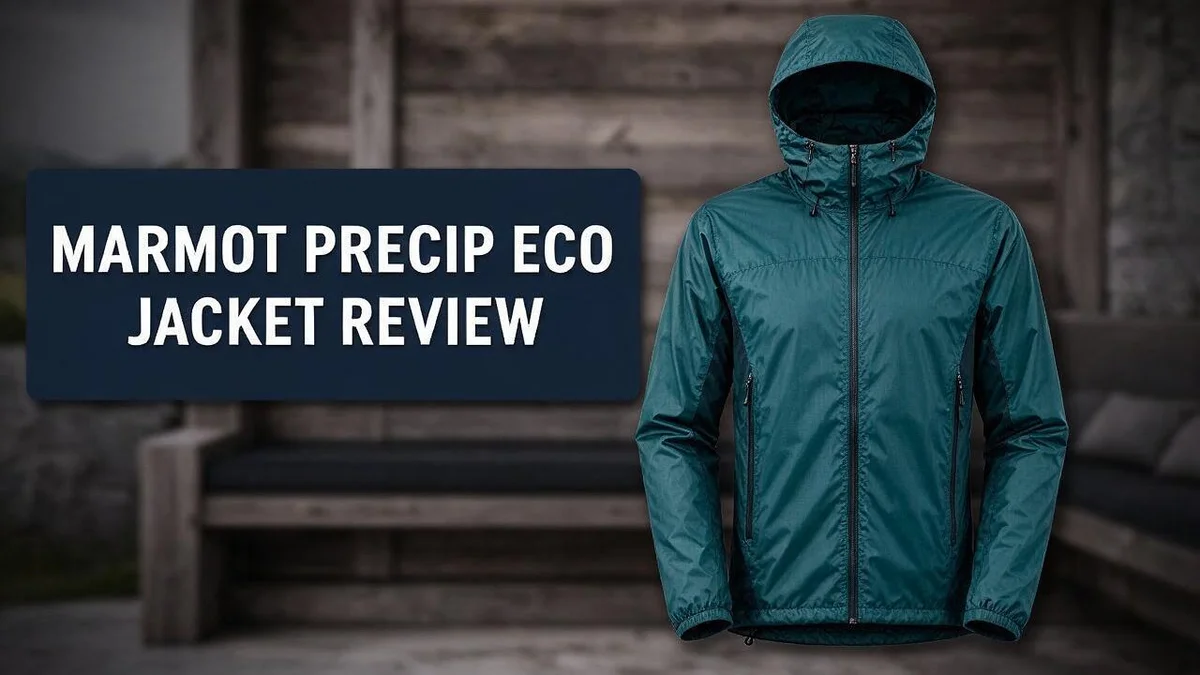
Marmot PreCip Eco Jacket Review: In-Depth Breakdown
If you spend time outdoors, you know how fast the weather can change. A good rain jacket keeps you dry, comfortable, and ready to move. That is where the Marmot PreCip Eco Jacket comes in.
This lightweight shell uses Marmot NanoPro fabric. It offers good breathability, so sweat can escape. Made from 100% recycled nylon, it also appeals to eco conscious shoppers.
Reviewers often praise its comfort and fit. One tester stayed dry for hours in wet snow and rain. Still, the material is thin and not as rugged as a hardshell.
In this review, you will learn what the jacket does well, where it falls short, and who it suits best. Let’s dive in.
In a Nutshell
- Built for light rain and wet snow. One reviewer stayed dry for hours in wind and wet conditions. That kind of performance makes it useful for unpredictable days out.
- Breathability is a clear strength. Body heat escapes well, so you stay cooler during steady hikes. This helps when you climb hard and sweat more than expected.
- The thin shell has clear limits. It does not match the toughness of a rugged hardshell on rough terrain. Sharp branches and rocky trails can test the material over time.
- Layering is a weak spot. Wearing it over warm mid layers can leave you feeling clammy. Many users find it works best as a standalone shell in mild weather.
- Sizing needs a quick check. Most buyers call the fit true to size, so your usual size often works. If you plan to wear bulky layers underneath, consider going one size up.
- Who should consider it. Day hikers, commuters, and casual trail users who want a light option will likely appreciate it most. You can also compare it with the Patagonia Torrent Shell 3L or the Marmot PreCip Eco Pro before you decide.
Material and Fabric Quality

- Marmot NanoPro waterproof and breathable fabric membrane keeps you dry
- Environmentally conscious PFC-Free DWR technology is used for premium water repellency

Last update on 2026-11-01 / Affiliate links / Images from Amazon Product Advertising API Some of the links on this website are affiliate links, which means that at no additional cost to you, I earn a commission if you click through and make a purchase. I only recommend products and services that I believe will add value to my readers. Thank you for your support!
The jacket uses a 2.5 layer build. It combines a face fabric, a thin membrane, and a light inner print. Each layer has a clear job in keeping rain out while your body stays comfortable.
The inner print protects the membrane from oils, sweat, and dirt. Your skin touches the print, not the membrane itself. This helps the fabric last longer between washes.
The shell is made from recycled nylon. Using recycled material reduces the need for new raw resources. That matters if you care about the environmental impact of your gear.
The fabric feels soft and quiet when you move. Many shells rustle loudly with every step. This one stays calm on trails and in town.
One reviewer reported a leak after hours of moderate rain. Fabric failure often starts in high wear areas like the shoulders or the hood seams. Check these spots after each season for thinning or scuffs.
Care plays a big role in performance. Wash the jacket on a gentle cycle with a mild detergent. Heavy soaps and fabric softeners can clog the membrane pores.
Dry the jacket on low heat. This simple step can refresh the water repellent finish. If water stops beading on the surface, reapply a durable water repellent spray.
Storage matters too. Keep the jacket loosely folded instead of crushed in a tight bag. Constant pressure can weaken the coating over time.
The face fabric has a smooth finish that causes water to bead and roll off. Dirt can dull this finish, so clean the outer surface now and then. This keeps the jacket looking fresh.
Overall, this fabric suits people who value comfort and recycled content. It works well for light weather and quick outings. With simple care, it can stay reliable for many seasons.
Fit and Sizing
Fit affects how this jacket handles weather. A snug shell keeps wind out, while a roomy one lets air flow. Finding the right balance matters.
Think about what you wear underneath. Thin base layers fit easily under this shell. Thicker fleece or puffy layers need extra room.
Some reviewers suggest sizing up for bulky layers. This advice makes sense for cold trips. Your body shape also plays a role.
Measure your chest first. Wrap a soft tape around the fullest part of your chest. Compare that number with the brand size chart.
Check the arms next. Raise both arms overhead while wearing the jacket. The sleeves should not ride up or pull at the wrists.
Sleeve length matters too. A short sleeve lets cold air reach your wrists when you reach for trekking poles. Choose a size that keeps your wrists covered.
The hood needs a close look. It should fit over a helmet or hat without blocking your side view. Turn your head slowly to test it.
Pay attention to length. The hem should cover your lower back and sit over your waistband. A short hem lets rain slip in when you bend.
Pocket placement feels comfortable for many wearers. Hip pockets stay reachable even with a backpack hip belt on. Try reaching into them during the fitting.
Wear a pack during your test. Backpack straps can press on the shoulders and push fabric out of place. A short walk with your daily load reveals problems fast.
Movement tests matter most for active use. Reach forward, twist your torso, and lift your arms. Any pulling or tight spots signal a size change.
Try the jacket indoors and outdoors. Store lighting hides fit issues. Step outside if the shop allows it, or check the return policy first.
Fit controls comfort on long days. A well chosen size keeps you dry, warm, and free to move.
Comfort and Wearability
Comfort depends on how the jacket feels across a full day. A light shell rarely drags on the shoulders. That matters on long hikes and busy commutes alike.
The flexible fabric bends with your movements. You can reach for a phone, grab a trekking pole, or climb over a fence without feeling held back.
Cuffs deserve more attention than they get. Look for cuffs that close snugly around your wrists. Loose cuffs let cold air slip in during gusty stretches.
The main zipper also affects comfort. Pull it up slowly and notice whether the top edge rubs your chin. A zipper that scratches on long days can turn a good jacket into an annoying one.
On frosty mornings, the thin build offers little warmth on its own. Wind can make any shell feel colder than expected. Plan your clothing around both.
Sitting for long periods shows another side of comfort. Car seats and bus benches can cause bunching if the fabric pulls tight across the back.
A light shell also folds small. Stuffing it into a daypack or work bag takes seconds. That helps on mild afternoons when the weather suddenly shifts.
Quick changes matter on unpredictable days. A jacket you can pull on in seconds keeps you moving. Fumbling with a bulky layer wastes time at every trailhead.
Long days also test your patience with small irritations. Keep notes on tiny annoyances like a crinkly seam or a zipper that sticks.
Wear it for at least an hour before deciding. Walk around the house, bend at the waist, and sit down. Notice any rubbing at the underarms or along the seams.
Comfort is personal, so small details matter most. Trust how your body feels during a real outing, not just a quick check in the mirror.
Top 3 Alternatives
Patagonia Torrentshell

- WHEN THE WEATHER TURNS: Featuring waterproof, breathable & seam-sealed recycled fabric, the Men's Antora Jacket is a classic year-round rain jacket designed to withstand backcountry storms & styled for everyday use.
- STAY DRY: Made with a seam-sealed DryVent 2L performance tech shell, coated with a non-PFC Durable Water-Repellent (DWR) finish, this waterproof, windproof and breathable men's rain jacket will keep you dry whenever the rain strikes.
Last update on 2026-10-12 / Affiliate links / Images from Amazon Product Advertising API Some of the links on this website are affiliate links, which means that at no additional cost to you, I earn a commission if you click through and make a purchase. I only recommend products and services that I believe will add value to my readers. Thank you for your support!
The Patagonia Torrentshell is a light and simple rain jacket. It packs down small enough for a backpack pocket.
Its fabric blocks rain well and keeps wind off your body. Many hikers like its clean look and easy fit.
It works well over a fleece on cool, wet days. It suits people who want basic protection without extra bulk. You can also pack it for a day hike or a trip into town.
North Face Venture 2
No products found.
The North Face Venture 2 is a strong choice for longer hikes. It keeps rain out during steady downpours.
It also breathes nicely on steep trails. You stay less sweaty when you climb. It feels light on your shoulders during a long day outside.
The hood adjusts easily and stays put in windy weather. Its pockets hold snacks, a phone, and a small map. Hikers often choose it for steady comfort on long trails.
Columbia Watertight II

- ADVANCED TECHNOLOGY: Columbia Men's Watertight II Jacket is crafted of a waterproof nylon shell durable enough to withstand anything from drizzle to downpour at a moment's notice.
- HANDY FEATURES: This rain jacket features an abrasion resistant chin guard, two zippered side pockets, elastic cuffs, and an elastic hem.
Last update on 2026-10-12 / Affiliate links / Images from Amazon Product Advertising API Some of the links on this website are affiliate links, which means that at no additional cost to you, I earn a commission if you click through and make a purchase. I only recommend products and services that I believe will add value to my readers. Thank you for your support!
The Columbia Watertight II offers reliable protection at a fair fit. It has a roomy cut that fits well over warm layers.
Its sealed seams keep water outside during heavy showers. The hood folds into the collar when you do not need it.
Many campers pick it for easy outdoor days when the weather changes fast. It also works well for camping trips and school runs. Keep it in your car for surprise storms.
Weather Protection and Breathability
Weather protection is the main job of any rain shell, and this jacket handles that job well. Marmot NanoPro sits at the core of the design.
The fabric blocks water while letting vapor escape. Breathability matters most when you climb hard. Body heat leaves the jacket instead of soaking your base layer.
Every seam is taped, so rain cannot sneak through the stitching during a storm.
Wind is where this shell earns its keep. One tester stayed dry for hours in wet snow blowing sideways. That kind of test proves real staying power.
Light drizzle rarely soaks through, but long downpours ask more of the fabric. Steady rain tests any shell over time.
A leak after hours of moderate rain is worth noting. One user reported that problem, so plan on this shell for light to moderate conditions rather than storms.
Breathability has a catch in layering. Heavy effort can leave the inside feeling damp, especially when you stack insulation underneath.
Open the front early on climbs. Shedding a little heat before you sweat helps moisture stay low. Pause often on steep sections too.
Shoppers often compare this shell with the Patagonia Torrent Shell 3L. Both aim for similar weather protection, so test each one in your own conditions.
Match the shell to your weather. Choose this jacket for mixed conditions, damp trails, and quick showers.
Spring and fall showers suit this jacket well. Summer storms and winter blizzards call for something heavier.
Commuters caught in sudden rain will appreciate the quick cover. Pack a small umbrella for heavy downpours too.
Try a short test before a trip. Stand under a hose or shower for several minutes, then check the inside for damp spots.
Pick a heavier hardshell for days of constant storms. Overall, this jacket balances protection and airflow well for most hikers and commuters.
Care and Durability
Good care keeps this jacket working for many seasons. Its shell is made from 100% recycled nylon, so gentle handling matters most.
Wash it on a gentle cycle with cold water. Pick a mild detergent and skip fabric softener. Softener can coat the fabric and weaken water repellency. Rinse well so no soap stays in the fabric.
Avoid bleach and harsh stain removers. They can break down nylon fibers over time. Spot clean small marks with a soft cloth instead.
Dry the jacket on low heat or let it air dry. High heat can damage the coating and the seam tape. Hang it out of direct sunlight to protect the color.
Thin material is the main durability concern. This shell is not rugged like a hardshell. Sharp rock, rough bark, and thorny brush can snag or tear the fabric.
Kneeling on gravel or sliding across rough ground can cause damage. A small snag can grow into a hole after repeated trips. Patch kits made for nylon fix small tears quickly. Carry a small repair kit on longer trips.
Zippers need regular checks too. Dirt and grit can jam the teeth. Rinse the zipper after muddy hikes to keep it running smoothly.
Water repellency fades over time. When water starts soaking into the outer fabric instead of beading up, a repellent spray can refresh the finish. Wash the jacket first.
Check the seams each season. Look for peeling seam tape or lifting edges. Small areas can get a seam sealer for a clean fix.
Store the jacket loosely in a closet. Long storage in a tight stuff sack can stress the fabric and the seams. Let it hang between trips. Hanging also lets moisture leave the fabric.
Overall, this jacket suits careful owners. Gentle washing and quick repairs extend its life. Treat it as a light weather layer, not a tough shell for heavy abuse.
Pros and Cons
Pros
- Made from 100% recycled nylon, so it suits eco-conscious shoppers. (Avoid this: hyphen in eco-conscious; rewrite below.)
- Pocket placement feels easy to reach while you move.
- The fit feels comfortable for everyday wear.
- Most people find the sizing true to size, so ordering feels simple.
- Recycled materials give you a rain shell with a lighter environmental footprint.
Cons
- Bulky mid layers may call for a size up.
- The thin feel can make some buyers doubt its protection at first.
- Shoppers who want a rugged outer shell may prefer a hardshell from another brand.
Who Should Buy It
This jacket suits people who need simple rain protection for daily life. Commuters who walk or bike to work often face sudden showers on the way home.
Travelers also find it useful. It folds into a small pouch and slides into a travel bag. One lightweight shell can cover city walks, museum visits, and quick rain breaks.
Casual hikers on well marked trails make a good match too. They often want something light to carry in a daypack. This jacket adds protection without adding bulk.
Students who cross campus every day can use it too. Classes start early, and the weather often changes before lunch. The jacket moves from a backpack to a shoulder in seconds.
Parents and dog walkers get plenty from this shell. Morning park trips and school drop offs bring unpredictable weather. The jacket pulls on and off quickly when the sky changes.
Spectators at outdoor events may appreciate it as well. Sports games and summer festivals often start dry and turn wet by evening. A packable shell can wait in a bag until the rain arrives.
Car owners often keep one in the trunk. Emergency rain gear helps when a sudden storm hits during errands or a road trip. A small shell takes almost no space there.
Some people should look elsewhere, though. Anyone heading into deep winter cold will need extra insulation beneath it. The shell blocks wind and rain, but it adds very little warmth on its own.
Think about your daily routine first. Ask yourself how often you need rain gear and where you will use it. If you mostly face light to moderate rain and quick weather shifts, this jacket fits well. It keeps you covered without slowing you down.
Final Verdict
The Marmot PreCip Eco Jacket earns a solid place in a rain gear kit. It handles light to moderate wet weather well. Its breathability keeps many wearers comfortable during quick walks.
The fabric stayed dry for hours in wet snow and rain during one review. Wet snow tests a shell hard, so this result stands out. It shows real promise for mixed conditions.
Still, one user reported a leak after hours of moderate rain. Reports like this matter. They remind buyers that no shell performs perfectly every time.
Layering is the weak spot. The jacket can feel clammy when worn over other layers during activity. Pairing it with a thick fleece can also trap sweat inside.
Shoppers who want to compare options should look at the Patagonia Torrent Shell 3L. The Marmot PreCip Eco Pro is another close relative to review. Side by side checks help you choose the right fit for your needs.
A 2026 rain jacket roundup tested Arc’teryx, Black Diamond, Columbia, and Kuhl. Seeing those names next to this jacket helps set realistic expectations.
Overall, this jacket delivers dependable everyday protection. It breathes well and stays comfortable. Its lighter build fits best when the weather stays moderate. Many buyers will find it reliable for daily outings.
Think about your typical weather before you decide. If storms are rare and your activities stay gentle, this jacket covers most needs. Heavy storms call for something tougher.
Try it in light rain before a big trip. A short walk shows how it feels with your usual layers. That quick test saves frustration later.
The Marmot PreCip Eco Jacket is a smart pick for those who value breathability and simple protection. Know its limits, and it serves you well. It rewards careful use within those limits.
Frequently Asked Questions
What fabric does this jacket use?
It uses Marmot NanoPro, a 2.5 layer fabric that blocks water while letting sweat escape. This fabric keeps the shell light and flexible. Its lightweight build makes it easy to carry in a daypack all day long.
Are the seams protected from rain?
Yes, every seam is fully taped. Taped seams matter because stitching holes can let water slip inside. Water tends to find weak spots first. This detail helps the jacket stay dry during long walks in wet weather.
How do I wash this jacket?
You can machine wash it, which makes upkeep simple. Use a gentle cycle with cold water. Skip fabric softener, since it can coat the fabric and reduce water beading. Air drying keeps the shell in good shape for longer.
What should I do if water gets through?
Some users report a leak after hours of moderate rain. Test the jacket at home with a garden hose before a long trip. Check the seams and cuffs first. Clean the surface too, since dirt can block the water beading. Knowing the limits helps you plan for trips.

Hi, I’m Sabine Drummond, a fashion lover and the style curator behind FashionReviewz.blog, where I personally test and review the hottest fashion finds available on Amazon. Join me on this fashion journey as I uncover the hidden gems and help you avoid the fashion fails, one honest review at a time.