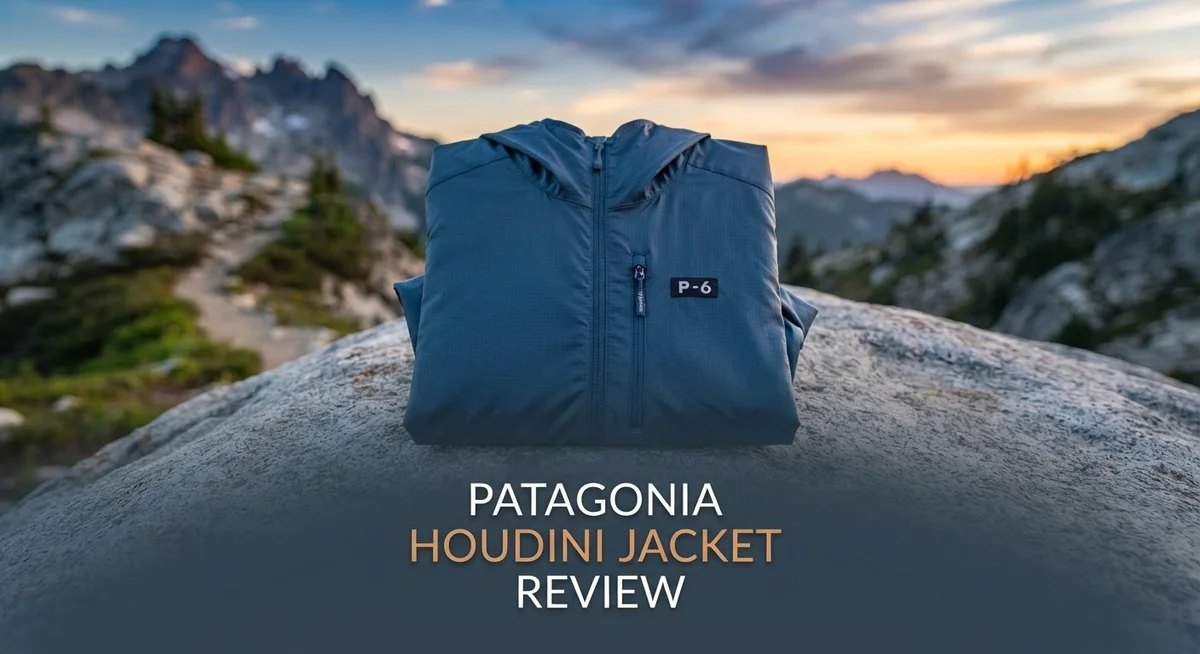
Patagonia Houdini Jacket Review 2026: Still Worth It?
Looking for a jacket that vanishes in your bag but saves you when the wind picks up? The Patagonia Houdini Jacket might be your answer.
This tiny jacket packs down to the size of an apple. You can stuff it in a chest pocket and forget it’s there. Until you need it.
Made from 100% recycled nylon ripstop, this jacket fights wind like a champ. It also breathes well, so you won’t feel like you’re in a sauna.
In a Nutshell
- Fair Trade Certified production means fair wages for the workers who made it.
- The fabric breathes well, so you stay comfortable during fast hikes or runs.
- Wind resistance is a standout feature. Gusts barely slow you down.
- Rain protection stays limited. It handles a light drizzle but not a downpour.
- Some users feel the sleeves fit snug. Check sizing before you buy.
- Stuffing it into its own chest pocket can feel tight. Patience helps here.
- Heavy daily wear may cause faster wear and tear. Treat it as a light layer, not a workhorse.
- Compared to options like the Outdoor Research Ferrosi or Arc’teryx Squamish, this jacket wins on pure packability.
Material and Fabric Quality
The Patagonia Houdini Jacket uses 100% recycled nylon ripstop as its core material. This choice matters because it keeps waste out of landfills while delivering real performance.
The fabric itself is a 20D Atmos woven construction. The “20D” refers to denier, which measures fiber thickness. Lower denier means lighter weight, and 20D strikes a balance between featherweight feel and usable durability for most outdoor activities.
Ripstop weaving adds tear resistance. The fabric has a grid pattern woven throughout. When a small tear starts, the grid stops it from spreading further. This design choice helps the jacket survive snags from branches or rough handling.
The DWR coating is PFC free. DWR stands for durable water repellent. Traditional DWR treatments used PFCs (per- and polyfluorinated chemicals), which persist in the environment. Patagonia removed these, making the jacket safer for ecosystems and your skin.
This coating repels light rain and mist effectively. Water beads up and rolls off rather than soaking in. However, the DWR is not waterproof. Heavy downpours will eventually saturate the fabric. Think of it as rain resistant, not rain proof.
The breathability comes from the thin, open weave. Air passes through easily. This keeps you cool during active movement like trail running or fast hiking. Sweat doesn’t trap against your skin.
The jacket weighs almost nothing. It packs into a chest pocket and compresses to apple size. This featherweight quality makes it ideal for layering systems where you want minimal bulk.
Fair Trade Certified production ensures workers received fair wages and safe conditions. The label appears on the jacket’s tag.
The fabric does have limits. Heavy daily wear accelerates fading and minor damage. The tight weave, while breathable, is not built for abuse. Weekend warriors and travelers get years of use. Construction workers or frequent heavy-use scenarios may see faster wear.
Overall, the material selection reflects Patagonia’s commitment to lightweight performance, environmental responsibility, and ethical manufacturing. The ripstop nylon ripstop does exactly what it’s designed to do.

- [Waterproof] 33,000ft Packable rain jacket for men features superior waterproof fabric and full heat seam-sealed construction, with 10000mm H2O in waterproof level. All zippers outside are 100% water resistant, keep your storage items dry. This shell allows you to dry completely even during downpour rain.
- [Breathable] 33,000ft Lightweight jackets for men with armpit air vents improve air circulation, dispersing excess heat and maintaining dry. And mesh lining design will let you wear more comfortable, you don't worry about not breathable in summer. Breathability rating: 10000g/m2/24hr.
Last update on 2026-09-23 / Affiliate links / Images from Amazon Product Advertising API Some of the links on this website are affiliate links, which means that at no additional cost to you, I earn a commission if you click through and make a purchase. I only recommend products and services that I believe will add value to my readers. Thank you for your support!
Fit and Sizing
The Patagonia Houdini Jacket runs true to size for most users. You should order your normal jacket size without sizing up or down. The fit works well for layering underneath a backpack or heavier shell.
However, some runners and cyclists report that sleeves feel snug. If you have larger arms or prefer looser sleeves, consider sizing up one size. This extra room also helps when wearing long sleeves underneath.
The overall silhouette stays slim and athletic. The jacket hugs your body without restricting movement. This design keeps wind out while letting you move freely on trails or roads. The hem sits at your natural waist, so it won’t ride up during activity.
Chest pockets sit in a practical spot. They hold small items like keys or gels without creating bulk. The pocket placement doesn’t interfere with pack straps or harnesses.
The jacket’s packability affects how it fits when compressed. When stuffed into its own chest pocket, the bundle becomes fairly compact but noticeably thick. Some users find this tight when wearing the packed jacket inside a shirt pocket. The bundle measures roughly apple size, but the thickness can feel awkward against your ribs.
Shoulder seams align well for most body types. The armholes sit high enough that you won’t experience pinching during overhead movement. This matters for climbers and trail runners who reach frequently.
The length works best for people up to about six feet tall. Taller users sometimes report the hem sits slightly higher than preferred. If you’re over six feet, try on the jacket first or order a size up for added length.
The fabric itself doesn’t stretch. Unlike modern hybrid jackets with spandex, the Houdini stays rigid. This means the fit depends entirely on your chosen size. There’s no give or adjustment once you wear it.
Layering compatibility ranks high. The slim fit slides easily over base layers and light midlayers. You won’t experience bunching or excess fabric when wearing multiple layers underneath.
Overall, the Houdini fits best on lean to athletic builds. Standard sizing works for most people, but snug sleeves and compact packed form deserve consideration before buying.
Packability and Portability
When you’re hiking, traveling, or running, carrying extra gear slows you down. The Patagonia Houdini Jacket solves this problem with remarkable packability. The jacket compresses to roughly the size of an apple, making it easy to slip into your backpack without taking up real estate.
The best part? It fits inside its own chest pocket. This feature lets you store the jacket right on your body. You won’t need to dig through your pack or tie it around your waist. Just stuff it away and forget about it until you need protection from wind or light moisture.
The compressed size stays genuinely small. Most people can fit it into a daypack’s front pocket or even a running vest. For ultralight backpackers and minimalist travelers, this jacket checks a major box. You get wind protection without the bulk that traditional jackets demand.
One thing to note: stuffing it into the chest pocket feels snug. The jacket doesn’t have a dedicated stuff sack, so you’ll compress it by hand. It takes a few seconds to pack away, but the effort pays off when you’re moving fast on the trail. The nylon ripstop material doesn’t resist compression, so crumpling won’t damage it.
The featherweight construction makes portability feel effortless. At nearly nothing on the scale, you’ll forget you’re carrying it. This matters when you’re logging miles or moving between camps. Every ounce counts in those situations.
Portability extends beyond size. The jacket’s slim profile means it layers well under or over other pieces. You can wear it as a shell over a fleece or under a rain jacket without creating bulk. This versatility means you pack fewer items overall.
Compared to heavier windbreakers from other brands, the Houdini stands out for pure packability. The Arc’teryx Squamish and Outdoor Research Ferrosi both pack small, but the Houdini edges ahead in compressed volume. If minimalist packing is your priority, this jacket delivers on that promise.
Top 3 Alternatives
Arc’teryx Zeta SL

- Ultralight Insulation: Arc'teryx Atom Superlight Hoody features coreloft compact 40 insulation, offering lightweight warmth where you need it most. This mens hoodie keeps you cozy and comfortable without adding extra bulk.
- Breathable & Packable: Our Atom SL mens hoodies offer a perfect blend of breathability and wind resistance, allowing for excellent airflow while protecting you from the elements. Its compact and compressible design makes it easy to pack.
Last update on 2026-09-23 / Affiliate links / Images from Amazon Product Advertising API Some of the links on this website are affiliate links, which means that at no additional cost to you, I earn a commission if you click through and make a purchase. I only recommend products and services that I believe will add value to my readers. Thank you for your support!
The Arc’teryx Zeta SL gives you a lightweight shell that handles rain and wind without extra bulk. This jacket uses Gore-Tex fabric to keep water out while letting sweat escape. You get sealed seams that prevent leaks at stress points.
The fit sits closer to your body than many competitors. You can layer it easily over base layers or mid-weight jackets. The hood adjusts well and doesn’t interfere with backpack straps. Packability matters, and this one compresses into a small pouch.
The North Face ThermoBall
No products found.
The North Face ThermoBall combines insulation with weather protection in one piece. It uses synthetic insulation that works even when wet, unlike down alternatives. The jacket feels warm but doesn’t add excessive weight to your pack.
The design includes reflective details for visibility during low-light conditions. You get a regular fit that accommodates base layers underneath. The fabric resists wind effectively, though it’s not fully waterproof. This works best for cool, dry conditions or as a mid-layer in wetter climates.
Columbia OutDry Ex

- OutDry Extreme, the pinnacle of waterproof breathable technology
- Attached hood with peripheral adjustability, helmet compatible hood
Last update on 2026-09-23 / Affiliate links / Images from Amazon Product Advertising API Some of the links on this website are affiliate links, which means that at no additional cost to you, I earn a commission if you click through and make a purchase. I only recommend products and services that I believe will add value to my readers. Thank you for your support!
Columbia OutDry Ex features a unique construction with sealed seams and waterproof fabric. The jacket blocks rain while remaining breathable during active movement. You’ll appreciate the durable water-repellent coating that sheds light precipitation.
The fit offers room for layering without feeling baggy. Multiple pockets keep essentials accessible. The hood stays secure during movement and doesn’t obstruct your vision. This option suits hikers who want reliable protection without premium pricing from specialty brands.
Weather Protection and Performance
The Patagonia Houdini Jacket excels as a lightweight windbreaker for active outdoor pursuits. Its 20D Atmos woven fabric creates an effective barrier against gusts while maintaining exceptional breathability. You stay protected without feeling trapped under heavy layers.
Wind resistance is the jacket’s strongest suit. The ripstop nylon weave blocks air movement efficiently, making it ideal for exposed ridges, coastal trails, and breezy urban environments. Runners and cyclists appreciate how it cuts wind without causing overheating during intense activity.
The PFC-free DWR coating handles light rain and moist conditions admirably. You can wear it through drizzle and morning dew without worry. However, this jacket has clear limits. Heavy downpours will eventually soak through because the fabric itself isn’t waterproof. Think of it as a mist and drizzle shield, not a storm jacket.
Breathability sets this piece apart from heavier alternatives. The thin, open weave allows moisture vapor to escape quickly. Your skin stays dry during active use, even on warmer days. This makes the Houdini perfect for aerobic activities where sweat management matters.
Durability does have constraints with this ultralight design. The delicate fabric resists tears thanks to ripstop construction, but rough handling or sharp branches can puncture it. This isn’t a jacket for thrashing through dense brush or repeated heavy use. It suits people who treat gear with care.
The jacket performs best in mild to moderate conditions. Spring winds, summer breezes, and light autumn showers fall within its wheelhouse. Pair it with a shell jacket for serious storms or use it solo when conditions stay dry.
Seasonal versatility is genuine. Layer it over a t-shirt in cool months or wear it over a thin long-sleeve in warmer seasons. The slim profile works as a mid-layer without bulk. You gain protection without sacrificing mobility or comfort.
For travelers, runners, and ultralight backpackers, this jacket delivers reliable performance where it matters most. Wind and light moisture protection combine with featherweight convenience. Just remember its boundaries before expecting it to handle torrential rain or extreme cold.
Durability and Longevity
The Patagonia Houdini Jacket uses 100% recycled nylon ripstop fabric that strikes a balance between protection and weight. This material choice means the jacket prioritizes function over ruggedness in heavy abuse scenarios.
The 20D Atmos weave construction feels delicate by design. You’ll notice this immediately when handling the jacket. The fabric resists tears during normal use, but aggressive contact or rough surfaces can compromise it. Hikers and casual users report solid durability. Athletes who frequently brush against rocks or branches experience more wear over time.
The PFC-free DWR coating maintains water repellency through multiple wash cycles. Most owners report the coating holds strong for at least two seasons of regular use. After that, reapplication becomes necessary. This is normal for ultralight jackets and keeps the piece functional long term.
Seam construction appears robust. Patagonia reinforces stress points where sleeves meet the body. The chest pocket stitching stays intact even with repeated packing and unpacking. Zippers perform reliably without snagging issues reported by most users.
Real world durability depends heavily on your activities. Ultralight backpackers and runners see extended jacket life. They treat the piece carefully and avoid unnecessary contact. Weekend hikers enjoy consistent performance across multiple seasons. People who use this jacket as a daily commuter layer report gradual degradation after heavy use.
The ultralight design inherently means thinner material. This reduces durability compared to thicker windbreakers from competitors. The trade off is intentional. Patagonia sacrifices ruggedness for packability and breathability. This jacket wasn’t built for extreme conditions or heavy abuse.
Proper care extends the jacket’s lifespan significantly. Hand washing preserves the fabric better than machine washing. Air drying prevents heat damage to the DWR coating. Storage in a loose bag rather than compressed state reduces stress on seams.
The Houdini Jacket typically lasts two to four years with moderate use. Heavy users might see shorter lifespans. Gentle users report longer durability. This timeframe aligns with expectations for an ultralight piece. The jacket serves its purpose well within this window.
Pros and Cons
Pros
- Packs down to apple size and fits inside its own chest pocket for true portability
- Exceptional windbreaker that stops gusts without adding bulk to your pack
- Breathable fabric lets moisture escape so you stay comfortable during active movement
- PFC free DWR coating sheds light rain and handles damp conditions effectively
- Made from 100% recycled nylon ripstop, so you get environmental benefits with Fair Trade Certification
Cons
- Rain protection only works for light showers; heavy downpours will soak through the thin material
- Stuffing the jacket into the chest pocket feels tight and requires some effort
- Sleeve fit runs snug on people with larger arms or broader shoulders
- Ultralight design means durability takes a hit with heavy use or rough terrain
Who Should Buy It
The Patagonia Houdini Jacket is ideal for specific outdoor enthusiasts who prioritize packability and lightweight performance over maximum weather protection.
Active runners and trail athletes benefit most from this jacket. You get wind resistance without feeling restricted during movement. The breathable fabric prevents sweat buildup during intense efforts. Many runners appreciate how the jacket vanishes into a small pack pocket between weather changes.
Ultralight backpackers and minimalist hikers find real value here. You save grams on every trip. The apple sized packed volume means it takes almost no pack space. This matters when you’re counting ounces across multi day journeys. The jacket handles the wind gusts you encounter at higher elevations without adding significant weight.
Frequent travelers should consider this option. Business travelers and adventure tourists love that the jacket fits into a chest pocket. You can carry weather protection without sacrificing luggage space. The Fair Trade Certified construction appeals to conscious consumers.
Summer mountaineers and alpine climbers use the Houdini effectively. You need wind protection at altitude without bulk. The jacket works as a mid layer under heavier shells during cold weather. Its breathability prevents overheating during strenuous climbing.
Casual outdoor enthusiasts in mild climates work well with this jacket too. If you live somewhere that rarely sees heavy downpours, the light rain resistance suffices. You get reliable wind blocking for day hikes and casual adventures.
Who should skip it: If you need serious rain protection, look elsewhere. Heavy downpours will soak through the thin material. If you do rough outdoor work or aggressive climbing, the delicate nylon won’t handle repeated abrasion. If you prefer jackets that handle all weather conditions, the Houdini’s limitations become frustrating.
The jacket shines when your priorities align with its strengths: minimal weight, maximum packability, and reliable wind blocking. You need to accept that this ultralight design trades durability and heavy rain protection for portability. Your activities and climate determine whether those tradeoffs make sense for you.
Final Verdict
The Patagonia Houdini Jacket earns its reputation as a smart shell for specific needs. It excels at wind protection and packability. But it falls short as a true rain jacket.
Think about your main use case before buying. If you need a jacket that fits in your palm and blocks wind, this is your answer. If you need serious storm protection, look at other options.
Compared to the Outdoor Research Ferrosi, the Houdini wins on weight but loses on durability. The Arc’teryx Squamish offers similar packability with a slightly different fit. Rab Borealis provides more coverage but adds bulk to your pack.
The North Face windbreakers often cost less but lack the same fabric technology. Black Diamond options tend to sit in the middle ground between price and performance.
This jacket works best as a layering piece rather than a standalone rain shell. Pair it with a warm mid layer during cool mornings. Use it alone during breezy afternoons on the trail.
Many buyers love how the jacket disappears into a bag. You forget it’s there until you need it. That convenience factor matters more than raw specs for many outdoor lovers.
The fabric feels thin, and that’s the tradeoff you accept for such low weight. Rough terrain or heavy branches might test its limits faster than sturdier jackets.
Runners, hikers, and travelers consistently praise this jacket online. Reviews highlight the quick dry time and easy storage as major benefits. Few complain about performance within its intended use case.
Skip this jacket if you hike in consistently wet climates. Skip it if you need a jacket for years of daily abuse. Choose it if you want a reliable, lightweight companion for most three season adventures.
Overall, the Houdini delivers exactly what it promises. It stays true to its identity as an ultralight wind shell with bonus water resistance. That focused design makes it a smart pick for the right adventurer.
Frequently Asked Questions
Does the Houdini jacket actually pack down to pocket size?
Yes, it does. The jacket compresses to roughly the size of an apple and fits snugly into most chest pockets. You’ll need to fold it carefully and apply some pressure to squeeze it in. Once stuffed, the jacket stays compact throughout your hike or run.
The featherweight design makes this possible. The 100% recycled nylon ripstop material weighs almost nothing, so the entire jacket collapses into a tiny bundle. This packability is one of the Houdini’s biggest selling points.
Will this jacket keep me dry in heavy rain?
No. The Houdini works best for light showers and drizzle only. The thin nylon material is not designed for downpours or sustained rainfall.
Think of it as a wind and splash shield rather than a rain jacket. The PFC-free DWR coating repels water droplets effectively, but it won’t stop heavy precipitation from soaking through. If you need serious rain protection, you should choose a thicker shell jacket instead. The Houdini shines when weather stays mild and dry.
Is the fit comfortable for all body types?
Most users report a snug fit, especially in the sleeves. The jacket runs somewhat narrow, which works great for minimizing packed volume but may feel tight if you prefer loose clothing.
Layering underneath is possible but limited. The slim cut means you won’t have much room for thick base layers. Runners and active athletes often appreciate this snug fit because it stays in place during movement. If you prefer baggy jackets, this one might feel restrictive.
How durable is the Houdini for regular use?
The thin material trades durability for weight savings. This jacket works well for occasional outdoor trips and travel but struggles with heavy, repeated use.
Brushing against rough surfaces or sharp branches can damage the delicate fabric. It’s best treated as a backup layer rather than your primary shell. Fair Trade Certification ensures ethical production, but the design prioritizes packability over ruggedness.

Hi, I’m Sabine Drummond, a fashion lover and the style curator behind FashionReviewz.blog, where I personally test and review the hottest fashion finds available on Amazon. Join me on this fashion journey as I uncover the hidden gems and help you avoid the fashion fails, one honest review at a time.