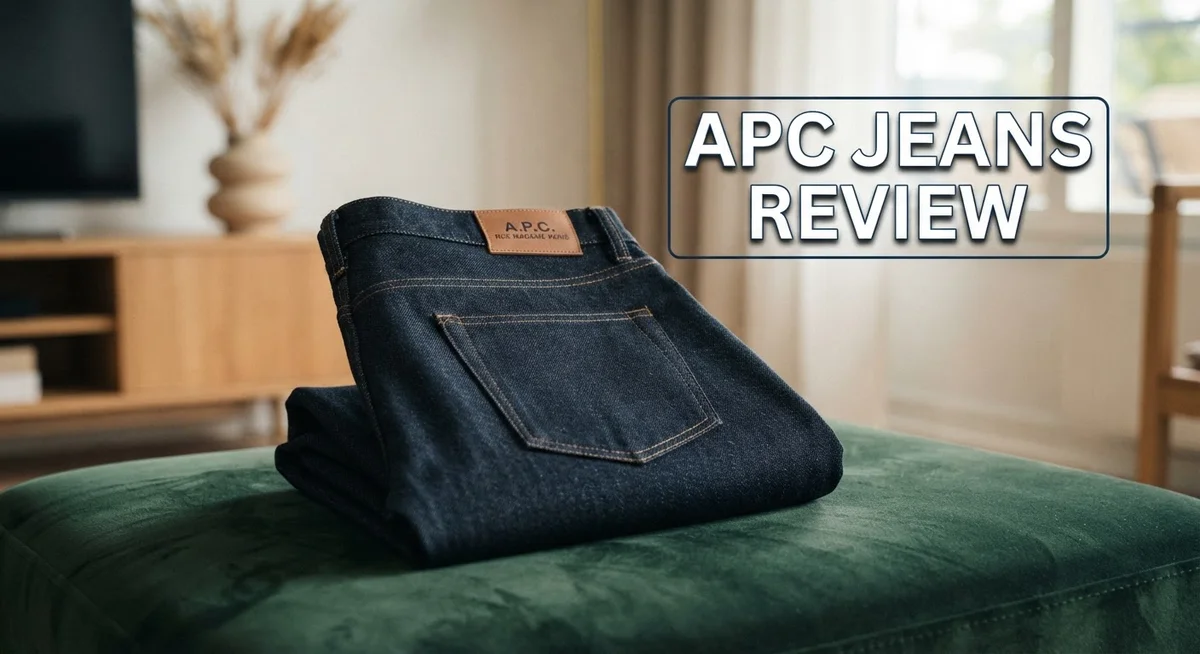
A.P.C. Jeans Review 2026: Fit, Quality, and Durability Analysis
A.P.C. jeans hold a special spot in denim culture. They come from a French brand known for clean design and quality fabric. But do these jeans live up to the hype? That’s what we dig into today.
A.P.C. uses 100% Japanese cotton in its denim. Each pair goes through vintage shuttle looms. This creates a true selvedge edge that denim fans love.
The fit stands out too. It’s a slim straight cut with a low rise. Many people call it one of the best fits they’ve tried.
In a Nutshell
- Sizing runs tight. Many fans suggest going up one or two sizes for a comfy fit.
- The break in period is tough. Raw denim stays stiff at first, so expect some patience before it softens.
- Durability is a mixed bag. Some wearers report crotch blowouts around the five month mark.
- Craftsmanship shines through. Vintage shuttle looms create tight selvedge denim that feels special.
- Hip room is narrow. This cut suits slim builds better than curvier frames.
- Care is simple but strict. Machine wash at 30°C inside out, then spin dry only. No tumble drying allowed.
- If you want a similar vibe with a different fit, brands like 3sixteen or Levi’s Vintage Clothing offer solid alternatives.
- Overall, these jeans reward patience. The fit takes some getting used to, but the payoff is a pair that molds to your body over time.
- Bottom line: great for denim lovers who enjoy the ritual of breaking in raw fabric, less ideal for those wanting instant comfort.
Material and Fabric Quality
A.P.C. sources 100% Japanese cotton woven into a substantial 14.5 ounce twill. This weight sits in the sweet spot for raw denim. It’s heavy enough to feel structured, yet not so thick that it becomes unwieldy.
The fabric arrives as selvedge denim, meaning the edges are finished and won’t fray. A.P.C. uses vintage 27-inch shuttle looms to create this material. These older machines work slower than modern industrial looms, but they produce tighter weaves with more character. You’ll notice the selvedge stripe running down the inseam as proof of this method.
The cotton itself comes from Japan, where mills have perfected denim production over decades. Japanese mills are known for consistency and quality control. The fabric feels crisp and dense straight out of the box. It has a slight sheen that fades as you wear the jeans.
One standout feature is how the fabric breaks in over time. Raw denim doesn’t come pre-washed or artificially faded. Instead, your body heat, movement, and friction create unique creases and fades. No two pairs look identical after months of wear. This personal aging process appeals to denim enthusiasts who want their jeans to tell a story.
However, the break-in period demands patience. The fabric stays rigid for the first few weeks. Sitting, bending, and walking all feel stiff. Some people find this uncomfortable. Others see it as part of the ritual.
The twill construction also means the fabric has diagonal lines running through it. This gives the denim subtle texture and visual depth. It’s not smooth like casual cotton pants.
Care matters with this material. You should machine wash at 30°C inside-out and spin dry only. Hot water or harsh cycles can damage the fabric or cause uneven fading. Proper care extends the lifespan and preserves the fade character you’ve built.
Overall, the fabric quality reflects A.P.C.’s focus on traditional denim production. Japanese cotton, selvedge construction, and vintage looms combine to create something genuinely different from mass-market jeans.

- Fabric: Heavyweight, non-stretch denim
- Rise: 10.75in / 27cm, Inseam: 35in / 89cm, Leg opening: 15.75in / 40cm
Last update on 2026-09-16 / Affiliate links / Images from Amazon Product Advertising API Some of the links on this website are affiliate links, which means that at no additional cost to you, I earn a commission if you click through and make a purchase. I only recommend products and services that I believe will add value to my readers. Thank you for your support!
Fit and Sizing
A.P.C. jeans fit slim and sit low on the waist. The cut works best for people with lean builds. If you have wider hips or thighs, this brand may feel restrictive.
Sizing runs noticeably small. Most buyers recommend going up one or two full sizes from your normal fit. Someone who wears a 32 might grab a 34 or 36 here. This is not a minor adjustment. Skip your usual size and you’ll struggle to button them.
The rise sits below the hip, which adds to the snug feeling. Combined with the narrow hip room, first time wearers often feel surprised by how tight these jeans feel. This is intentional design, not a flaw. A.P.C. built these for a specific silhouette.
The break in period shapes how the fit evolves. Raw denim arrives stiff and unyielding. Your legs feel locked in place for the first few weeks. Gradually, the fabric softens and molds to your body. This process takes patience. Many wearers report that after two to three months of regular wear, the jeans feel noticeably more comfortable.
During this break in time, expect minimal movement in the fabric. The denim resists bending at first. Your knees and ankles may feel restricted. This rigidity comes from the 14.5 oz Japanese twill construction. Heavier fabric takes longer to relax.
Thigh and inseam measurements matter more than usual. Because the fit sits so close to your body, getting the length right is critical. Cuffing or hemming becomes necessary for most people. A tailor familiar with raw denim can help you plan for future shrinkage.
The waistband also sits snugly. Don’t expect it to stretch significantly. The button and zipper stay firm throughout the break in period. Some owners report they need a month before comfortable sitting becomes normal.
Consider your body type before buying. These jeans celebrate a slim aesthetic. Curvier frames or athletic builds may find the fit frustrating rather than flattering. Trying them on in person helps. If you can’t do that, read reviews from people with similar proportions to yours.
Comfort and Break-In Period
A.P.C. jeans demand patience during the first few weeks of wear. The raw denim fabric arrives stiff and unyielding. Most wearers experience significant discomfort in the initial break-in phase.
The rigid twill construction makes the fabric feel almost board-like when new. Your legs will feel restricted. The waistband sits snugly against your hips. Thigh movement feels limited at first. Many people report that wearing them for short periods helps more than forcing long days in them.
During the first month, expect the fabric to gradually soften. The fibers begin to relax as you move around. Creases form naturally in areas where you bend. These creases eventually become the jeans’ signature fades. The break-in period typically lasts four to six weeks before noticeable comfort improvement occurs.
The narrow hip fit intensifies the initial discomfort. The fabric hugs your body closely. This snug design means the break-in feels more pronounced than looser cuts. People with curvier frames may find this stage especially challenging. Slim builds adapt more quickly to the tight fit.
One helpful strategy is to wear them in short bursts initially. Start with a few hours around your home. Gradually increase wear time as the fabric softens. Some wearers also find that light stretching helps ease tension in the waistband and thigh areas.
After the break-in period ends, comfort improves significantly. The fabric becomes noticeably softer and more flexible. Your movements feel less restricted. The jeans begin to mold to your body shape. This personalized fit is one reason fans stick with A.P.C. despite the tough start.
Expect the break-in to feel longer than mass-produced jeans. Standard denim arrives pre-softened and pre-treated. A.P.C.’s raw denim skips these processes entirely. This means you do the softening work yourself through wear. The payoff comes later when your jeans feel like a custom second skin that nobody else owns.
Top 3 Alternatives
Levi’s 501 Jeans

- Regular Through The Thigh
- Straight leg

Last update on 2026-09-16 / Affiliate links / Images from Amazon Product Advertising API Some of the links on this website are affiliate links, which means that at no additional cost to you, I earn a commission if you click through and make a purchase. I only recommend products and services that I believe will add value to my readers. Thank you for your support!
Levi’s 501s remain a classic choice for anyone seeking timeless denim quality. These jeans feature a straight-leg cut that works for most body types. The fabric uses 100% cotton denim that softens with wear, creating a personalized fit over time.
The 501s come with a button fly instead of a zipper. Many people appreciate this vintage detail. The waistband sits at a traditional height, offering a comfortable, relaxed fit through the hip and thigh.
Durability is a major strength here. The double-stitched seams and reinforced pockets hold up through years of regular wear. Levi’s offers these jeans in multiple washes, from deep indigo to lighter blues.
Naked Famous Denim

- Fabric: Mid-weight, non-stretch selvedge denim
- Logo leather patch
Last update on 2026-09-16 / Affiliate links / Images from Amazon Product Advertising API Some of the links on this website are affiliate links, which means that at no additional cost to you, I earn a commission if you click through and make a purchase. I only recommend products and services that I believe will add value to my readers. Thank you for your support!
Naked Famous Denim focuses on premium craftsmanship and unique fabric blends. Each pair gets made in Canada using high-quality materials. The brand offers various fits, including their popular Weird Guy and Super Skinny options.
These jeans feature selvedge edges, which many denim enthusiasts prefer. The fabric often includes special weaves that create interesting textures and fading patterns. Naked Famous produces limited-edition releases that appeal to collectors.
The brand emphasizes transparency about their production process. They source materials carefully and maintain strict quality standards throughout manufacturing.
Everlane The Jean

- WAY-HIGH RISE FIT: Ultra-flattering high-rise jean that sits at the natural waist for a lengthened, held-in look
- WAY-HIGH RISE FIT: Ultra-flattering high-rise jean that sits at the natural waist for a lengthened, held-in look
Last update on 2026-09-16 / Affiliate links / Images from Amazon Product Advertising API Some of the links on this website are affiliate links, which means that at no additional cost to you, I earn a commission if you click through and make a purchase. I only recommend products and services that I believe will add value to my readers. Thank you for your support!
Everlane The Jean combines simplicity with ethical production. The company reveals exactly how these jeans get made and who makes them. This transparency appeals to conscious consumers.
The fit is modern and versatile, working well for casual or slightly dressier occasions. The fabric uses a comfortable cotton blend that moves with your body. Everlane keeps their production simple, which helps maintain consistent quality.
These jeans come in several classic washes. The brand focuses on essential styles rather than trendy designs, ensuring long-term wearability.
Fade Development and Aesthetics
A.P.C. jeans develop character through wear. The Japanese cotton and selvedge construction create a canvas that transforms over months of use. Fades emerge gradually, telling the story of how you move and sit in the denim.
The 14.5 oz twill fabric fades in predictable patterns. High contact areas like the thighs and knee creases show fading first. Pocket edges create sharp, defined lines as the indigo wears away. The selvedge edge remains darker longer, creating visual contrast along the inseam. This is what denim enthusiasts call “character development.”
Raw denim starts dark and uniform. As you wear the jeans, friction and movement bleach the indigo gradually. The process takes months, not weeks. Patience rewards you with unique fades that reflect your lifestyle. No two pairs fade identically, even if worn by different people.
The fade aesthetic appeals to denim collectors because it feels authentic. Machine washing and normal wear create the fades, not artificial treatments. You won’t see the heavy whiskering or honeycombing that some other raw denim brands develop. A.P.C. fades tend toward subtlety and refinement.
Washing affects fade progression. The recommended 30°C machine wash inside out slows fading slightly compared to unwashed denim. This controlled approach preserves the fabric longer. Some owners choose minimal washing to accelerate fades, though this risks color bleeding and stiffness.
The low-rise cut influences where fades appear. The waistband sits below your hip, so the upper thigh gets constant friction. Fade lines follow your body’s natural movement patterns. Sitting, bending, and walking all contribute to the final aesthetic.
After six months of regular wear, the transformation becomes noticeable. After a year, the fades tell a clear story. The fabric softens alongside the color changes, creating a lived-in appearance that feels earned rather than purchased.
This fade development is central to A.P.C.’s design philosophy. The brand embraces slow fashion and gradual transformation. Your jeans become more beautiful with age, not less. This approach attracts buyers who value longevity and personal connection to their clothing.
Care and Durability
A.P.C. jeans demand specific care to maintain their structure and fade character. Machine wash at 30°C inside out, then spin dry only. Skip the dryer entirely. Heat damages the Japanese cotton fibers and locks in unwanted creases. Air drying preserves the fabric’s integrity and allows fades to develop naturally.
Wash frequency matters more than most realize. Raw denim enthusiasts often wait months between washes to build deeper, more authentic fades. If you prefer faster fades, wash every 4 to 6 weeks. Either approach works, but patience yields richer color progression.
The selvedge edge requires attention too. This finished edge won’t unravel, but it shows staining easily. Keep stains away from the leg opening during washes. The selvedge becomes a visual marker of authenticity over time, so treat it gently.
Durability presents a real concern here. Several owners report crotch blowouts appearing around the five month mark. The narrow hip fit concentrates stress in this area during sitting and movement. This weakness undermines the jeans’ longevity despite the premium Japanese cotton. Reinforce this area early if you want extended wear.
The 14.5 oz twill construction proves both a strength and limitation. Thicker fabric typically lasts longer, but A.P.C.’s version shows unexpected brittleness. The tight weave can crack rather than tear in some cases. Handle them carefully during the first six months while fibers settle.
Storage matters too. Fold rather than hang to prevent permanent creases at the knees. Keep them in a cool, dry space away from direct sunlight when not wearing them. This slows fading when you’re not actively building your patina.
The fade development is the real durability story here. Unlike mass produced jeans that fade uniformly, A.P.C. creates unique wear patterns. High stress areas fade faster, creating a personal map of your movements. This character development is what keeps collectors returning to the brand, even after durability issues emerge.
Pros and Cons
Pros
- Exceptional fit that hugs your frame in all the right places; slim-straight cut appeals to minimalist denim lovers
- Clean, understated design with zero loud branding or decorative stitching on pockets
- Develops rich, personalized fades that tell the story of how you wear them
- Iconic selvedge construction using vintage shuttle looms signals quality craftsmanship
- 100% Japanese cotton delivers authentic raw denim feel that improves with age
Cons
- Break-in period feels genuinely brutal; expect stiffness and discomfort for weeks before the fabric softens
- Reported durability issues including crotch blowouts within five months of regular wear
- Narrow hip fit combined with low-rise cut creates an extremely snug initial feel that isn’t for everyone
- Rigid twill construction means minimal flex straight out of the box, making early wear genuinely uncomfortable
Who Should Buy It
A.P.C. jeans fit a specific type of denim wearer. These are not for everyone, and that’s perfectly fine.
Minimalist denim enthusiasts should buy them. You appreciate clean designs without logos splashed across pockets. A.P.C. delivers exactly that. The understated aesthetic speaks to people who value simplicity over flashiness.
Raw denim collectors belong in this group too. You understand that new denim feels stiff. You expect a brutal break-in period. You actually want that experience because you know what comes after. The fade development excites you more than wearing pre-faded jeans from a store shelf.
Patient buyers should consider A.P.C. jeans. You’re willing to invest time in the break-in process. You don’t mind wearing uncomfortable pants for several weeks. You see this as part of the journey, not a flaw. Impatient shoppers should look elsewhere.
People who wear jeans frequently work well with this brand. Occasional wearers won’t experience the fade development that makes A.P.C. special. You need consistent wear to unlock the personalized fades. Daily or near-daily wearing reveals the unique story these jeans tell.
Slim-framed individuals fit these jeans better than others. The narrow hip fit feels restrictive on broader frames. If you naturally prefer slim cuts, A.P.C. aligns with your body type. You’ll appreciate how the fabric hugs your legs without excess fabric.
Denim purists should buy them. You respect Japanese cotton and vintage shuttle looms. You understand selvedge construction. You care about the craftsmanship behind your clothing. Marketing doesn’t influence your decisions. Quality and authenticity do.
Careful planners work well with A.P.C. You remember to size up one or two sizes. You read care instructions and follow them. You wash inside out at 30 degrees. You don’t throw them in the dryer. You approach denim ownership like a long-term commitment.
Skip A.P.C. if you want instant comfort, quick fades, or durability guarantees. Skip them if you prefer relaxed fits or bold branding. Skip them if you won’t commit to the break-in process. A.P.C. demands a specific mindset. The right buyer finds them perfect.
Final Verdict
A.P.C. jeans deliver a specific experience. They reward patience and punish rushed decisions. This makes the final call personal rather than universal.
Fit quality stands out as the strongest selling point. Few brands match this level of precision in a slim cut. That alone justifies consideration for many shoppers.
The durability question remains the biggest sticking point. Some pairs last years. Others fail within months. This inconsistency makes the purchase feel like a gamble.
Compare A.P.C. against alternatives like 3sixteen or Levi’s Vintage Clothing before deciding. These brands often offer sturdier construction at similar craftsmanship levels. They deserve a look if longevity matters more than brand recognition.
Stevenson Overall Co. and Burgus Plus also compete well here. Both focus on heavyweight denim built for daily wear. They might suit buyers who prioritize function over minimalist branding.
Think about your body type too. Narrow hips fit this cut best. Wider builds may struggle with comfort and mobility.
Consider your denim experience level as well. First time raw denim buyers might find the break in period overwhelming. Experienced wearers usually handle the stiffness better.
Ask yourself how often you plan to wear these jeans. Frequent wear speeds up fading but also increases stress on seams. Occasional wear extends lifespan but slows the fade story.
The verdict depends on priorities. Choose A.P.C. for the fit and the fade journey. Skip them if consistent durability matters more than aesthetics.
Final thought: These jeans work best for wearers who value personality over predictability. They ask for commitment and patience. In return, they offer a fit and fade story few other jeans can match.
Weigh these factors honestly. Your body type, wear habits, and durability expectations all matter here. That honest assessment leads to the right decision for you.
Frequently Asked Questions
Do A.P.C. jeans run true to size?
No, they run small. Most buyers recommend sizing up one to two sizes from your normal fit. A person who wears size 32 typically needs a size 34 in A.P.C. The slim-straight cut combined with the rigid raw denim means the fabric sits snug against your body.
Check the brand’s size chart before ordering. Raw denim shrinks slightly after the first wash, so going up helps account for this change. Hip width tends to feel narrow, so this matters if you have a larger frame.
How long is the break-in period?
Expect several weeks of genuine discomfort. The 14.5 oz Japanese cotton twill feels stiff and unyielding at first. Your legs will feel the friction, and movement feels restricted during the initial wear phase.
Most wearers report the jeans soften noticeably after four to six weeks of regular use. Patience becomes essential here. Some people speed this up by wearing them constantly, while others prefer a gradual approach. The fabric gradually molds to your body shape as you wear them.
Are these jeans durable?
This remains a weak point. Several owners report crotch blowouts within five months of regular wear, which is concerning for jeans at this price level. The selvedge construction and Japanese cotton should theoretically last longer.
The fade development tells an interesting durability story. As the jeans age, the indigo fades in unique patterns that show exactly how you move and sit. This aesthetic appeal sometimes outweighs the durability concerns for collectors who prioritize the look over longevity.
What makes the fit so special?
A.P.C. delivers a clean, slim-straight silhouette that hugs your frame without feeling restrictive. The low-rise design appeals to minimalist denim lovers. The jeans have zero loud branding or decorative pocket stitching, so the focus stays on pure fit and fabric quality.
This aesthetic simplicity attracts denim purists. The fit works best for slim-framed individuals who appreciate understated design.

Hi, I’m Sabine Drummond, a fashion lover and the style curator behind FashionReviewz.blog, where I personally test and review the hottest fashion finds available on Amazon. Join me on this fashion journey as I uncover the hidden gems and help you avoid the fashion fails, one honest review at a time.