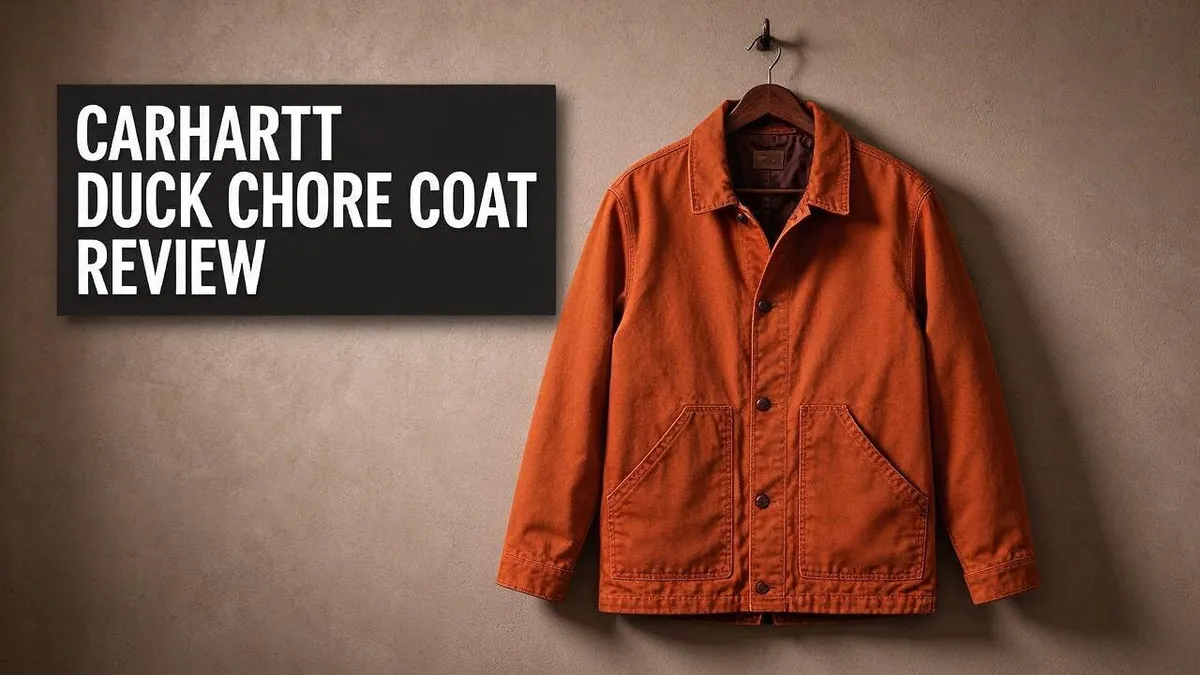
Carhartt Duck Chore Coat Review: Is It Worth Buying?
If you need a jacket for cold mornings and muddy chores, the Carhartt Duck Chore Coat deserves a close look. Workers and weekend fixers have relied on this layer for years.
Built from tough 12 oz firm hand cotton duck, this coat feels solid from the first wear. Its polyester batting liner adds warmth without heavy bulk.
The Rugged Flex Duck Loose Fit adds stretch and blocks the wind. Many reviewers say they stay warm and dry in cold, wet weather.
Keep in mind that the fit runs big. Sizing down is a smart move for most people.
Read on to see whether this classic fits your daily needs.
In a Nutshell
-
Built for real work: This coat suits farm chores, garage projects, and long days outdoors. Its sturdy build handles snags, mud, and daily wear without much fuss.
-
Warm when it counts: Many owners say it keeps them warm and dry in cold, wet, and windy weather. That makes it a smart pick for early mornings and chilly job sites.
-
Room to layer: The roomy chest and waist make it easy to wear a thick sweater or hoodie underneath. Many people like this freedom when temperatures swing during the day.
-
Plan for weight: The heavy material feels great in cold air but can feel bulky on mild days. Think about how often you will wear it before you decide.
-
Sizing matters: Because the fit runs large, many shoppers size down for a closer look. Check the size chart and read fit notes before you order.
-
Strong community rating: Shoppers give it 4.5 out of 5 stars across 32 reviews. Most feedback points to solid warmth and a comfortable, roomy feel.
Material and Fabric Quality

- Built to move with Rugged Flex stretch technology
- Wind Fighter technology tames the wind

Last update on 2026-11-05 / Affiliate links / Images from Amazon Product Advertising API Some of the links on this website are affiliate links, which means that at no additional cost to you, I earn a commission if you click through and make a purchase. I only recommend products and services that I believe will add value to my readers. Thank you for your support!
The outer fabric decides how this coat handles real work. Cotton duck starts out stiff, but it softens with each wash and wear.
Many owners notice the shell loosens up after several outings. Over time, the collar and cuffs bend more easily, so the coat feels comfortable on your body.
Cotton fibers absorb moisture and release it slowly. This helps you stay comfortable during active tasks like hauling feed or stacking firewood.
The Firm Duck Insulated version adds a polyester batting liner. This filling holds heat close to your body on cold mornings when you stand still.
Stitching matters just as much as the fabric. Triple needle seams run through stress points like the shoulders and pockets. This construction helps the seams resist tearing under heavy use.
Check the pocket corners and the zipper area. These spots take the most wear. Strong reinforcement in these areas shows good build quality.
Cotton needs regular care to keep its shape. Wash the coat in cold water and hang it to dry. This routine prevents shrinking and slows fading.
Mud and grease respond well to quick spot cleaning. Keep a damp cloth nearby and treat stains early. Dried mud brushes off more easily than fresh mud.
If you want extra warmth, consider the blanket lined variant. Its soft layer feels cozy against the skin. This option suits people who work outdoors in freezing weather.
Overall, the fabric and stitching give this coat a solid foundation. Good care keeps the jacket looking sharp for many seasons of hard use.
Fit and Sizing
Getting the right size matters more than most shoppers expect. Start with a simple measurement of your chest at the fullest point. Then compare that number to the size chart on the product page.
Pay close attention to the sleeve length too. Your wrist should sit near the cuff when your arms hang down. Long sleeves can slide over your hands and catch on tools.
Shoulder seams tell a clear story. The seam should land at the edge of your shoulder bone. If it droops down your arm, the coat is too big in that area.
Think about how you move during a normal day. Reach overhead, bend at the waist, and lift a heavy bag. The shell should stretch with you without pulling tight across the back.
Walk around for a few minutes. Sit down and raise both arms. Notice any tightness at the armpits or pulling near the buttons.
Hem length also changes the feel. A longer cut covers your hips and blocks cold drafts when you crouch. Shorter cuts suit people who spend most of their time seated.
Try the coat on with the layers you plan to wear. A thin tee works for mild days. A heavy hoodie or flannel shirt shows whether the coat still closes comfortably.
Your body shape matters too. Broad shoulders need extra room across the back. Narrow frames may find the cut feels boxy, so a snug mid layer helps balance the look.
Tall or short shoppers should check the length carefully. Standard sizes may feel too short in the torso or too long in the arms. Measure your height and torso before you order.
Take photos of yourself wearing the coat from the front and side. This helps you judge the drape more clearly than a mirror alone.
Read the return policy before you commit. Fit can feel different in person than it does on a screen. Keep the tags attached until you know the size works for you.
Warmth and Weather Performance
Cold weather tests every jacket you own. A good winter coat must hold heat close and block wind. This coat aims to do both jobs well.
Movement creates warmth. When you walk fast or haul feed bags, your body produces plenty of heat. The loose cut lets that warmth stay near your core, so you feel cozy longer.
Wind causes the fastest chill. A cold breeze can drain heat quicker than low temperatures alone. The dense duck cotton shell slows gusts before they reach your sweater and base layers.
Stretch fabric helps on frosty mornings. Stiff outerwear makes early chores harder than they need to be. The give in this fabric lets your arms move freely while you clear snow or load tools.
Long outdoor shifts test warmth over time. Check your hands and ears every hour or so. Add a hat or gloves before you feel numb.
Sunny days can fool you. Bright light feels warm, yet a steady wind still cuts through cotton.
Wet days need a smart drying plan. Cotton can feel heavy after soaking up rain. Hang the coat in a warm room after work so the shell dries fully before your next use.
Layering works best with the right base. Thin synthetic or wool base layers pull sweat away from your skin. Then the coat blocks the wind on top, which keeps your body temperature steady.
Know the temperature range. The rating points to cool conditions, not deep freezing weather. On very cold mornings, add an insulated mid layer underneath for extra protection.
Your personal comfort matters too. Some people run warm, while others feel chills quickly. Pay attention to how your body signals cold. Warmth feels different for everyone. Wear the coat outside for ten minutes before a long workday to see how it feels for you.
Top 3 Alternatives
Filson Tin Cloth Jacket

- Built with oil finish Tin Cloth
- Body lined with dry finish Cover Cloth
Last update on 2026-11-05 / Affiliate links / Images from Amazon Product Advertising API Some of the links on this website are affiliate links, which means that at no additional cost to you, I earn a commission if you click through and make a purchase. I only recommend products and services that I believe will add value to my readers. Thank you for your support!
The Filson Tin Cloth Jacket offers a rugged look and strong build quality. It uses heavy cotton fabric that handles rain and wind well. Many wearers say the jacket gets better with age.
The fabric softens over time and develops a unique patina. This makes it a good choice for people who want a jacket that feels personal after years of wear.
Best for: outdoor workers and anyone who wants a classic, long-lasting layer.
Dickies Duck Chore Coat

- FUNCTIONAL FASHION: Heritage, workwear-inspired outerwear with a rugged cotton canvas exterior, cozy fleece interior, metal button closures, and oversized patch pockets for modern street-ready style
- INSULATED COMFORT: High pile fleece interior with a corduroy collar delivers soft warmth that retains heat through colder temperatures without added bulk, making it easy to layer for commuting, outdoor wear, and modern street-ready styling
Last update on 2026-11-05 / Affiliate links / Images from Amazon Product Advertising API Some of the links on this website are affiliate links, which means that at no additional cost to you, I earn a commission if you click through and make a purchase. I only recommend products and services that I believe will add value to my readers. Thank you for your support!
The Dickies Duck Chore Coat keeps things simple and practical. It has a sturdy duck canvas shell and plenty of pockets for tools and small gear. It feels familiar to anyone who has worn a traditional work jacket.
Its relaxed fit allows layering over a hoodie or flannel shirt. Many people reach for it on busy job sites and weekend projects alike.
Best for: tradespeople and home owners who need a dependable coat for daily tasks.
Lee Chore Coat

- DURABLE COTTON CANVAS: Midweight fabric that softens with wear over time
- CLASSIC RELAXED FIT: True to size with adjustable cuffs for easy layering
Last update on 2026-11-05 / Affiliate links / Images from Amazon Product Advertising API Some of the links on this website are affiliate links, which means that at no additional cost to you, I earn a commission if you click through and make a purchase. I only recommend products and services that I believe will add value to my readers. Thank you for your support!
The Lee Chore Coat brings classic workwear style with a comfortable fit. It features a cotton duck exterior and a warm lining for cooler days. Many shoppers like its clean look for everyday wear.
The coat moves easily, so it works well for lifting, bending, and driving. It also fits smoothly under a heavier outer layer when temperatures drop.
Best for: anyone who wants a traditional chore coat that works on the job and around town.
Comfort and Freedom of Movement
Movement is where this coat earns its keep. The loose fit gives room to bend, reach, and turn.
The roomy chest and waist let you bend at the hips without the front pulling tight. You can crouch beside a fence line or a tire with ease.
Reaching overhead is another real test. Your arms can lift to hang tools or clear a gutter, and your shoulders feel free rather than pinched.
When you shop, check how the collar feels as you turn your head. A stiff collar can rub on the neck during a long shift.
Heavy material changes how the coat feels over a long day. The weight rests mostly on your shoulders. Hours of wear can feel tiring if you also carry tools or feed bags.
Cotton duck feels stiff at first. The fabric softens as it breaks in, so your movements feel smoother over time.
Try a simple test before you decide. Swing your arms, twist your torso, and lift a light box. Watch for pulling at the back or underarms.
Pocket placement matters too. Your hands need easy access while your arms stay free. Pockets set too low can catch on a belt when you bend.
Think about your daily routine as well. A morning of lifting, bending, and climbing asks more from a coat than a short trip to the store. Match the coat to your hardest task, and you will stay comfortable longer.
Stretch is another point to weigh. Test how the fabric responds when you stretch your arms in a few directions.
Comfort depends on how you plan to work. A coat that moves with you helps on quick tasks. It also keeps you ready for the next job without constant adjusting. A comfortable coat should never fight you.
Care and Durability
The shell uses firm cotton duck, so it handles regular use well. With proper care, this coat can last for many seasons. Simple habits make a big difference.
Wash the coat inside out in cold water. Use a mild detergent and skip fabric softener. Softener can coat the fibers and reduce water resistance.
Tumble dry on low heat or hang it to air dry. High heat can shrink cotton and weaken the insulation. Pull the coat out while it still feels slightly damp.
Spot cleaning works well for small stains. Dab the spot with a soft cloth, cold water, and mild soap. Rub gently from the edges inward so the stain does not spread.
Oil and grease need fast action. Cotton soaks up oils quickly. Sprinkle baking soda on fresh spots, let it sit for an hour, then brush it off before washing.
Empty pockets before every wash. Check for pens, receipts, or sawdust. Loose debris can scratch the inside lining and clog the drain.
Clean the zipper with mild soap and a soft brush. Dry it fully before closing. Trapped grit can wear down the teeth over time.
Check the seams now and then. Triple stitching handles heavy pulling and bending well. A loose thread can grow into a tear if you ignore it.
Small repairs extend the life of the coat. Sew on loose buttons and patch a worn cuff right away. Keep a basic sewing kit near your gear.
Store the coat in a dry place. Hang it on a wide hanger so the shoulders keep their shape. Damp storage can invite mildew, so skip plastic bags.
Clean the coat before storing it for the season. Dirt and sweat can break down fibers over several months.
Good care helps the coat age well. Many owners notice a soft feel after several seasons of wear. That natural softening adds character while the shell stays strong.
Pros and Cons
Pros
- Triple needle stitching helps the seams hold up over time.
- A polyester batting liner adds warmth to the body.
- The blanket lined version gives extra warmth on colder days.
- Reviewers give it a 4.5 out of 5 rating.
- A USA Union Made version gives buyers a domestic option.
Cons
- The coat runs big, so many shoppers size down.
- Quality reports vary when compared with imported competitors.
- The 4.5 rating comes from only 32 reviews.
- The blanket lined version may feel too warm in mild weather.
Who Should Buy It
Outdoor workers are the first group to consider. Landscapers, farmers, and tradespeople spend long hours in changing weather. They need a jacket that handles dirt, wind, and rough daily use.
Weekend hobbyists can benefit too. Someone who splits wood, feeds animals, or fixes fences on Saturdays gets real use from this coat. It works well as a dependable layer for chores around the house or property.
Fans of classic workwear will feel at home. The look is simple and honest. It pairs nicely with jeans, work boots, and a plain flannel shirt. Many people wear it simply because they love the style.
Layering fans should take a close look. A thick sweater or hoodie fits underneath without much trouble. This makes the coat useful during spring and fall.
Shoppers who prefer a slim silhouette should skip this one. The cut favors room over shape. A fitted jacket would suit them far better.
People who live in warm climates may want something lighter. Hot summers and mild winters call for breathable fabrics. This coat is built for cold, wet, and windy days instead.
Gift shoppers often find it a smart pick. It feels practical and familiar. Many people like receiving a sturdy coat they can use every season.
Buyers who want a workhorse may feel right at home. They want gear that works hard and keeps working. This coat suits that goal when the fit feels right.
Casual dressers who want function will like it. The coat looks at home at a hardware store, a farm stand, or a backyard fire. It carries a relaxed, working look without trying too hard.
Final tip for every buyer. Bring the sweater or hoodie you plan to wear underneath. Try the coat on with those layers. Take your time with the fit. This simple step shows whether the fit works for your real routine.
Final Verdict
The Carhartt Duck Chore Coat ends this review on a strong note. It offers practical warmth and steady comfort for tough daily tasks. Buyers who need dependable gear will find plenty to like.
Think of this coat as a working tool first and a fashion piece second.
Stretch makes a real difference here. Reaching overhead to clear a gutter or bending over a fence line feels far easier. The fabric moves with you instead of pulling tight.
Wind and wet weather are where this coat truly shines. A morning spent loading hay during sideways rain stays manageable. Your torso and arms stay drier than they would under lighter jackets.
Crews working near open fields often need that kind of shelter.
The weight is the main trade off. After a long day, some wearers notice the bulk on their shoulders. Others see that heft as proof of solid construction that will last. Plan for that extra weight during long shifts.
Compared with other workwear names, this coat takes a middle path. Brands like Drake’s and Tellason lean toward refined finishes.
DRI DUCK and CornerStone focus more on rugged utility. Carhartt blends both goals in a way many people appreciate. Each option serves a different kind of worker.
Our overall verdict is simple. This coat suits anyone who needs dependable gear for cold, windy, or damp conditions. It may feel like too much for a calm spring afternoon, though.
Who should buy it today? Choose this coat if you want one jacket that handles real effort without fuss. Pick another option if you need something light for mild days. Your daily tasks should guide the final choice.
Ultimately, the Carhartt Duck Chore Coat earns its place in a working wardrobe. It keeps you moving, warm, and dry where it counts most. It is a practical choice for years of honest work.
Frequently Asked Questions
How long does the stiff cotton take to soften?
The shell feels firm when new. Most wearers notice it loosens up after several weeks of regular use. Wear it often, and the fabric becomes more comfortable with each outing.
How should I wash it to protect the fabric?
Use cold water and a gentle cycle. Hang it to dry or use a low heat setting. High heat can shrink the cotton and keep the coat stiff for longer.
Is this coat a good pick for dog walks and camping?
Yes, it works well for short outdoor trips. The shell blocks wind and light rain, so it suits chilly mornings outside. Pack a lighter layer for warm afternoons at camp.
Can I repair small tears in the shell?
Yes, small tears are easy to fix. Patch the spot with a matching iron-on patch or hand stitch it closed. Fixing damage early keeps the coat working for years.

Hi, I’m Sabine Drummond, a fashion lover and the style curator behind FashionReviewz.blog, where I personally test and review the hottest fashion finds available on Amazon. Join me on this fashion journey as I uncover the hidden gems and help you avoid the fashion fails, one honest review at a time.